
Benefits, Uses, Tea & Easy DIY Recipes
Butterfly pea flower is one of those fascinating plants that makes you stop and take a second look. Its vibrant blue flowers can transform an ordinary cup of tea into something beautiful, and with a little lemon juice, that same blue infusion can change into shades of purple and pink!
But there’s more to this tropical flowering plant than its beautiful color. Known botanically as Clitoria ternatea, butterfly pea flower has a long history of traditional use and is becoming increasingly popular in herbal teas, natural food coloring, and creative kitchen recipes.
In this guide, we’ll explore what butterfly pea flower is, what gives it its unusual blue color, and what scientific research has to say about its potential health benefits. I’ll also share some simple ways to use butterfly pea flowers in your own kitchen, including tea, refreshing drinks, naturally colored rice, and desserts.
Whether you’re interested in exploring traditional herbal ingredients, experimenting with natural food coloring, or simply looking for something new to add to your DIY recipe collection, butterfly pea flower is a fun plant to get to know.
What Is Butterfly Pea Flower?
Butterfly pea flower (Clitoria ternatea) is a flowering plant belonging to the Fabaceae family, commonly known as the legume or pea family.
Also called blue pea, bluebell vine, or Asian pigeonwings, this tropical climbing plant is recognized for its striking blue, pea-shaped flowers. Although blue is the most familiar color, varieties with white and other flower colors also exist.
Native to tropical regions of Asia, butterfly pea is now cultivated in many warm climates around the world. Its climbing growth habit makes it an attractive addition to gardens, trellises, and other landscape settings.
The flowers have traditionally been used in various parts of Asia, both as a culinary ingredient and in herbal preparations. Today, they’re especially popular for making colorful herbal infusions and adding natural blue coloring to foods and beverages.
One of the most interesting things about butterfly pea flower is that its color isn’t simply decorative. The pigments responsible for those beautiful blue petals are natural plant compounds called anthocyanins.
What Makes Butterfly Pea Flower Blue?
The vibrant blue color of butterfly pea flower comes from naturally occurring plant pigments called anthocyanins. These water-soluble pigments are found in many flowers, fruits, and vegetables. They’re responsible for the red, purple, and blue colors in foods such as blueberries, blackberries, red cabbage, and certain varieties of grapes.
Butterfly pea flowers are particularly interesting because they contain a specialized group of anthocyanins known as ternatins.
Understanding Ternatins and Anthocyanins
Ternatins are the pigments responsible for the distinctive deep blue color of butterfly pea flowers. Researchers have studied these compounds because of their unusual chemical structure, antioxidant activity, and potential applications in natural food coloring.
Unlike some natural blue pigments, butterfly pea flower pigments have properties that make them relatively stable under certain conditions. This is one reason butterfly pea extract has attracted interest as a plant-based alternative to synthetic food colorings.
The pigments have also been studied for their potential biological activity, which we’ll explore in the health research section below.
Why Does Butterfly Pea Flower Tea Change Color?
Have you ever added lemon juice to butterfly pea flower tea and watched the beautiful blue liquid turn purple?
This isn’t a trick or a chemical additive. It’s a natural reaction involving the anthocyanin pigments in the flower.
Anthocyanins are sensitive to pH, which measures how acidic or alkaline a substance is. When the pH changes, the structure of these pigments can change as well, affecting the color we see.
Here’s what happens:
- Blue: A butterfly pea flower infusion is typically blue when it’s less acidic.
- Purple: Adding an acidic ingredient, such as lemon or lime juice, lowers the pH and shifts the color toward purple.
- Pink or reddish: With greater acidity, the color can shift further toward pink or magenta.
The exact shade depends on the strength of the infusion and the acidity of the ingredients you add.
It’s one of the reasons butterfly pea flower is so much fun to experiment with in the kitchen!
Butterfly Pea Flower as a Natural Food Coloring
Because its pigments dissolve in water, butterfly pea flowers can be used to create a natural blue infusion for coloring foods and beverages.
Rather than relying on artificial blue food coloring, you can use dried butterfly pea flowers to add beautiful color to a variety of recipes.
Here are a few ideas:

Butterfly Pea Flower Iced Tea
- Blue herbal tea and iced tea
- Naturally colored lemonade and mocktails
- Blue rice and other grain dishes
- Desserts, puddings, and panna cotta
- Homemade ice cubes
- Creative baking and specialty beverages
You can also find butterfly pea flower powder, which offers another convenient way to incorporate its color into recipes.
A little tip: If you’re experimenting with butterfly pea flower as a food coloring, start with a small amount and adjust until you get the shade you’re looking for. Adding acidic ingredients will change the color, so think about whether you want a blue or purple result before mixing everything together.
If you’re buying butterfly pea flowers for cooking, look for products specifically labeled as food-grade. Store dried flowers in a cool, dry, dark place to help protect their color and quality.
Butterfly Pea Flower Benefits and Medicinal Research
Butterfly pea flower has a long history of use in traditional herbal practices, and modern researchers have become interested in its naturally occurring plant compounds and their potential biological activities.
Much of this interest centers around anthocyanins, particularly the ternatins responsible for the flower’s vibrant blue color. These compounds have demonstrated antioxidant activity in laboratory research and have been investigated for potential anti-inflammatory, neuroprotective, and other biological effects.
But what does the research actually tell us?
It’s important to remember that promising laboratory findings don’t necessarily translate into the same effects when we consume an herbal tea or food containing the plant. While early research is interesting, more human studies are needed to understand the potential benefits of butterfly pea flower.
1. Antioxidant Properties
One of the most studied characteristics of butterfly pea flower is its antioxidant activity.
The flower contains several naturally occurring plant compounds, including anthocyanins, flavonoids, and other phenolic compounds. These substances have demonstrated antioxidant activity in laboratory studies.
Antioxidants are compounds that help protect against oxidative damage. Oxidative stress occurs when the production of reactive molecules exceeds the body’s ability to manage them through its natural defense systems.
Researchers have investigated butterfly pea flower extracts for their ability to neutralize free radicals in laboratory settings. The anthocyanins found in the flower, particularly ternatins, are an important part of this research.
It’s worth noting that antioxidant activity measured in a laboratory doesn’t automatically mean that drinking butterfly pea flower tea will prevent oxidative damage or protect against disease in the human body.
Nevertheless, the flower’s naturally occurring antioxidant compounds make it an interesting subject for further nutritional and botanical research.
2. Potential Anti-Inflammatory Properties
Another area of interest is the potential anti-inflammatory activity of butterfly pea flower.
Some laboratory and animal studies have investigated compounds found in Clitoria ternatea for their effects on inflammatory processes. Researchers have observed activity involving certain inflammatory pathways and cellular responses.
These findings have led to interest in the plant’s potential role in research involving inflammation and related biological processes.
However, the evidence is still largely preclinical. We don’t yet have sufficient human research to establish whether drinking butterfly pea flower tea has a meaningful anti-inflammatory effect or can help manage inflammatory health conditions.
3. Cognitive Health and Neuroprotective Research
Butterfly pea flower has also attracted attention for its potential effects on the nervous system and cognitive function.
Some animal studies have explored extracts of Clitoria ternatea in relation to memory, learning, and other neurological functions. Researchers have investigated whether certain plant compounds may influence processes involved in protecting nerve cells and supporting normal brain function.
These findings are interesting, particularly because oxidative stress and inflammation are both areas of ongoing research in relation to brain health.
However, animal research cannot establish that butterfly pea flower improves memory, prevents age-related cognitive decline, or protects against neurological diseases in people.
More carefully designed human studies are needed before any such benefits can be established.
4. Traditional Calming Uses and Anxiety Research
Butterfly pea flower has also been used in traditional herbal practices, and some preclinical research has explored its potential effects on the central nervous system.
Certain animal studies have investigated extracts of the plant for possible anxiolytic, or anxiety-related, effects. These studies have generated interest in the plant’s potential influence on nervous system activity.
It’s important to distinguish traditional use and animal research from demonstrated effects in humans. At this time, there isn’t enough clinical evidence to say that butterfly pea flower tea treats anxiety, reduces stress, or acts as a clinically established calming remedy.
If you enjoy butterfly pea flower tea, it can certainly be part of a relaxing beverage ritual. Just don’t confuse the enjoyment of a soothing cup of herbal tea with a proven medicinal treatment.
What Does the Scientific Research Tell Us?
Overall, butterfly pea flower contains interesting plant compounds that researchers continue to investigate. Its antioxidant activity is well documented in laboratory studies, while its potential anti-inflammatory and neuroprotective properties remain areas of developing research.
Human studies are still limited, and the available research does not establish butterfly pea flower as a treatment or prevention for any medical condition.
I find this an important distinction when exploring herbal ingredients. Plants can be fascinating sources of naturally occurring compounds, and traditional knowledge can provide valuable starting points for scientific investigation. But responsible herbal education also means being honest about what we know and what we still need to learn.
Is Butterfly Pea Flower Safe?
Butterfly pea flower has a history of culinary use, and its extract is now used as a natural food coloring in certain foods and beverages. However, it’s important to distinguish between using food-grade flowers in ordinary recipes and taking concentrated extracts or supplements for medicinal purposes.
Research into the plant’s long-term safety in humans is still limited, particularly when it comes to concentrated preparations and regular medicinal use.
A few precautions are worth keeping in mind:
- Choose food-grade flowers: If you’re planning to make tea or use butterfly pea flowers in recipes, purchase products specifically labeled for culinary use. Avoid flowers sold strictly for decorative or craft purposes.
- Be cautious with concentrated extracts: Extracts and supplements may provide different concentrations of plant compounds than an ordinary cup of tea. Their safety and appropriate use haven’t been well established.
- Pregnancy and breastfeeding: There isn’t enough reliable human safety research to establish whether medicinal amounts of butterfly pea flower are appropriate during pregnancy or breastfeeding. Discuss its use with your healthcare provider.
- Medications and health conditions: Clinically established medication interactions are limited, but that doesn’t mean interactions have been ruled out. If you take prescription medications or have an ongoing health condition, consult a qualified healthcare professional before using concentrated preparations.
- Allergies: As with any botanical ingredient, discontinue use if you experience an unexpected reaction.
What Does the FDA Say About Butterfly Pea Flower?
In the United States, the FDA has authorized butterfly pea flower extract as a color additive for specified food uses under 21 CFR 73.69.
This authorization covers the use of a particular processed flower extract as a food coloring under specified conditions. It does not mean that every butterfly pea product, concentrated supplement, or medicinal preparation has been evaluated or approved for safety.
You can read the FDA’s butterfly pea flower extract regulations for more information.
As with any herbal ingredient, I recommend enjoying butterfly pea flower primarily as a culinary ingredient unless you’ve discussed other uses with a qualified healthcare professional.
How to Use Butterfly Pea Flowers: Tea, Drinks, and Recipes
One of the easiest ways to experiment with butterfly pea flower is to make a simple tea. Once you have a blue
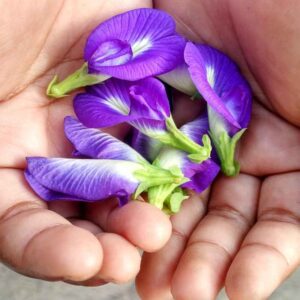
Butterfly Pea flower
infusion, you can use it in all kinds of creative recipes.
For the recipes below, you’ll want dried butterfly pea flowers that are specifically sold for culinary use.
Want to Try Making Butterfly Pea Flower Tea and Recipes?
If you’re ready to experiment with butterfly pea flower, I’ve put together a collection of some of my favorite finds to help you get started. From food-grade dried butterfly pea flowers and tea infusers to pretty glass teapots, pitchers, and kitchen essentials, you’ll find useful items for making colorful drinks and trying these fun DIY recipes. Browse my Butterfly Pea Flower Tea & DIY Recipe Essentials on Amazon
As an Amazon Associate, I earn from qualifying purchases.
1. Traditional Butterfly Pea Flower Tea
This is the simplest way to enjoy butterfly pea flowers. The tea has a mild, earthy flavor and a beautiful blue color. You can drink it as-is or add a little honey and lemon.
Ingredients:
- 1 tablespoon dried butterfly pea flowers
- 1 cup hot water
- Honey or your preferred sweetener, to taste
- Lemon wedge (optional)
Instructions:
- Place the dried butterfly pea flowers in a teapot or heatproof container.
- Pour hot water over the flowers.
- Let steep for about 5–7 minutes, until the water turns a rich blue color.
- Strain the infusion into a cup.
- Add honey or another sweetener if desired.
- Squeeze in a little lemon juice for a citrusy flavor and watch the color change from blue to purple.
Enjoy your tea warm, or let it cool and serve it over ice.
2. Butterfly Pea Flower Iced Tea
On a warm day, butterfly pea flower iced tea makes a refreshing and colorful drink. You can prepare the infusion ahead of time and keep it chilled in the refrigerator.
Ingredients:
- 1 tablespoon dried butterfly pea flowers
- 2 cups hot water
- Sweetener of your choice, to taste
- Fresh mint leaves (optional)
- Ice cubes
- Lemon slices for garnish (optional)
Instructions:
- Place the dried butterfly pea flowers in a heatproof container.
- Pour hot water over the flowers and steep for about 5–10 minutes.
- Strain the infusion into a separate container.
- While the infusion is still warm, add your preferred sweetener and stir until dissolved.
- Allow the tea to cool, then refrigerate until chilled.
- Fill a glass with ice and pour the cooled tea over it.
- Garnish with fresh mint or lemon slices if desired.
For a color-changing drink, squeeze a little lemon juice into your glass just before serving.
3. Butterfly Pea Flower Lemonade
This is one of my favorite ways to use butterfly pea flower because you get to see the color change right in the glass. The lemon juice turns the blue infusion a lovely purple shade.
Ingredients:
- 1 tablespoon dried butterfly pea flowers
- 1 cup hot water
- 2 tablespoons honey or agave syrup, adjusted to taste
- 2 tablespoons freshly squeezed lemon juice
- Ice cubes
- Lemon slices and mint leaves for garnish (optional)
Instructions:
- Place the dried flowers in a heatproof container and pour the hot water over them.
- Let steep for 5–10 minutes, until the water turns a vibrant blue.
- Strain out the flowers.
- While the infusion is still warm, stir in the honey or agave syrup.
- Allow the infusion to cool.
- Stir in the freshly squeezed lemon juice and watch the color shift.
- Pour over ice and garnish with lemon slices or mint.
You can adjust the amount of lemon juice and sweetener to suit your taste.
Interested in experimenting with natural blue food coloring? Butterfly pea flower powder is especially convenient for baking, smoothies, and other DIY kitchen projects. I have also gathered some helpful supplies in my Butterfly Pea Flower Tea & DIY Recipe Essentials collection.
4. Butterfly Pea Flower Blue Rice
Butterfly pea flower can also be used to naturally color rice. This is a fun way to add something different to a meal, and the blue color makes an interesting presentation.
Ingredients:
- 1 cup jasmine or basmati rice
- 2 cups water
- 1 tablespoon dried butterfly pea flowers
- A pinch of salt (optional)
Instructions:
- Bring the water to a boil in a small pot.
- Add the dried butterfly pea flowers and let simmer for about 5 minutes.
- Strain the infusion, discarding the flowers. You should have a deep blue liquid.
- Rinse the rice under cold water until the water runs clear.
- Combine the rinsed rice, butterfly pea flower infusion, and salt in a rice cooker or pot.
- Cook according to your usual rice-cooking instructions.
- Once cooked, fluff gently with a fork.
Use your blue rice as a colorful side dish, or try it in rice bowls, salads, and other favorite recipes.
5. Butterfly Pea Flower Lemonade Mocktail
If you want something a little more special than ordinary lemonade, this colorful mocktail is easy to put together. It’s also a fun drink to serve at a gathering.
Ingredients:
- 1 cup cooled butterfly pea flower tea
- ½ cup lemonade
- 1–2 tablespoons simple syrup, adjusted to taste
- Ice cubes
- Lemon wheel and lavender sprig for garnish (optional)
Instructions:
- Brew butterfly pea flower tea by steeping dried flowers in hot water for about 10 minutes. Strain and allow it to cool.
- Fill a glass with ice.
- Combine the cooled tea, lemonade, and simple syrup.
- Stir gently and watch the colors blend.
- Garnish with a lemon wheel or lavender sprig if desired.
You can also pour the lemonade into the glass first and slowly add the blue tea for a layered effect.
6. Butterfly Pea Flower Panna Cotta
Butterfly pea flower isn’t just for drinks. It can also add a beautiful natural color to desserts. This panna cotta pairs the blue-infused cream with a simple blueberry compote.
Ingredients
For the panna cotta:
- 1 cup whole milk
- 1 cup heavy cream
- ½ cup granulated sugar
- 1 teaspoon vanilla extract
- 2 tablespoons dried butterfly pea flowers
- 2½ teaspoons gelatin powder
- 3 tablespoons cold water
For the blueberry compote:
- 1 cup fresh or frozen blueberries
- 2 tablespoons sugar
- 1 tablespoon lemon juice
- 1 teaspoon cornstarch (optional)
Instructions
Prepare the panna cotta:
- In a saucepan, heat the milk and heavy cream until just about to simmer.
- Remove from the heat and add the dried butterfly pea flowers.
- Let steep for 10–15 minutes to infuse the color.
- Strain out the flowers.
- In a small bowl, sprinkle the gelatin over the cold water and let sit for 5 minutes.
- Return the infused milk mixture to a clean saucepan. Add the sugar and vanilla extract and warm gently.
- Stir in the bloomed gelatin until completely dissolved.
- Pour the mixture into individual molds or serving glasses.
- Refrigerate for at least 4 hours, or until set.
Prepare the blueberry compote:
- Combine the blueberries, sugar, and lemon juice in a small saucepan.
- Cook over medium heat until the blueberries begin to burst and release their juices.
- If you’d like a thicker compote, mix the cornstarch with a little water and stir it into the blueberry mixture.
- Cook until thickened, then remove from the heat and allow to cool.
- Spoon the cooled blueberry compote over the panna cotta before serving.
The result is a pretty blue dessert topped with a sweet blueberry sauce. It’s a lovely way to experiment with butterfly pea flower beyond tea and drinks.
Where to Buy Butterfly Pea Flowers
If you’d like to try these recipes, look for dried butterfly pea flowers that are specifically labeled for culinary use.
You can often find them through specialty tea retailers, herbal suppliers, and online stores. Butterfly pea flower powder is another option, especially if you want to experiment with natural food coloring in smoothies, baked goods, and desserts.
A few things to look for when shopping:
- Products labeled food-grade or suitable for tea and cooking
- Clear ingredient information
- Packaging that protects the flowers from moisture and light
- Whole dried flowers if you want to make tea and infusions
- Finely ground powder if you want to mix it directly into recipes
Along with dried butterfly pea flowers, you may want a few simple tools for making tea, preparing iced drinks, and experimenting with recipes. I’ve gathered my recommendations in my Butterfly Pea Flower Tea & DIY Recipe Essentials Amazon Idea List so you can find everything in one place.
Frequently Asked Questions About Butterfly Pea Flower
What does butterfly pea flower tea taste like?
Butterfly pea flower tea has a mild, earthy flavor. Some people describe it as slightly woody or similar to a very light green tea. It isn’t naturally sweet, so you may want to add honey, lemon, or another flavoring.
Why does butterfly pea flower tea turn purple when you add lemon?
The flowers contain anthocyanin pigments called ternatins. These pigments respond to changes in pH. When you add acidic ingredients such as lemon or lime juice, the color shifts from blue toward purple or pink.
Does butterfly pea flower contain caffeine?
A tea made solely from butterfly pea flowers is naturally caffeine-free. If you combine it with black tea, green tea, or another caffeinated ingredient, the finished drink will contain caffeine.
Can you eat butterfly pea flowers?
Food-grade butterfly pea flowers are used in culinary preparations, including teas, rice, drinks, and desserts. Make sure the flowers you purchase are intended for food use rather than decoration or crafts.
Can you use butterfly pea flower powder instead of dried flowers?
Yes. Butterfly pea flower powder can be used in some recipes, especially when you want to add color directly to foods and drinks. Start with a small amount and adjust as needed, since the concentration and color can vary between products.
Does butterfly pea flower have proven health benefits?
Butterfly pea flower contains plant compounds that have demonstrated antioxidant activity in laboratory research. Other potential effects, including anti-inflammatory and neuroprotective properties, are being investigated. However, human research is still limited, and it has not been established as a treatment for any medical condition.
Final Thoughts
Butterfly pea flower is a beautiful example of how interesting everyday plants can be. Its vibrant blue color, traditional uses, and potential applications in natural food coloring make it a fun ingredient to explore.
I especially love the color-changing effect. A simple cup of blue tea becomes something entirely different with just a squeeze of lemon, and it’s easy to see why butterfly pea flower has become so popular in creative drinks and recipes.
While the scientific research into its potential health properties is interesting, there’s still more to learn about how these compounds affect the human body. For now, I think one of the best ways to enjoy butterfly pea flower is as a colorful culinary ingredient.
If you enjoy experimenting with natural ingredients, give one of these recipes a try. You might be surprised by what you can create with a handful of little blue flowers!
References and Further Reading
- Anthocyanins From Clitoria ternatea Flower: Biosynthesis, Extraction, Stability, Antioxidant Activity, and Applications — Frontiers in Plant Science, 2021.
- A Systematic Review of Butterfly Pea Flower: Extraction and Application as a Food Freshness pH-Indicator — Polymers, 2023.
- FDA regulations for butterfly pea flower extract.
The information in this article is for educational purposes only and is not a substitute for professional medical advice, diagnosis, or treatment.
Read Next:
Oil Of Oregano VS Oregano Essential Oil
The information provided here is intended for educational purposes only and is not a substitute for professional medical advice, diagnosis, or treatment.
